How Much Does Stump Grinding Cost in Southern Maine?
Get current stump grinding price ranges, learn what affects your estimate, and find the right solution for your property.
Fully Insured • Local Maine Company • Free Estimates
Get My Free Estimate
Call 207-387-5064
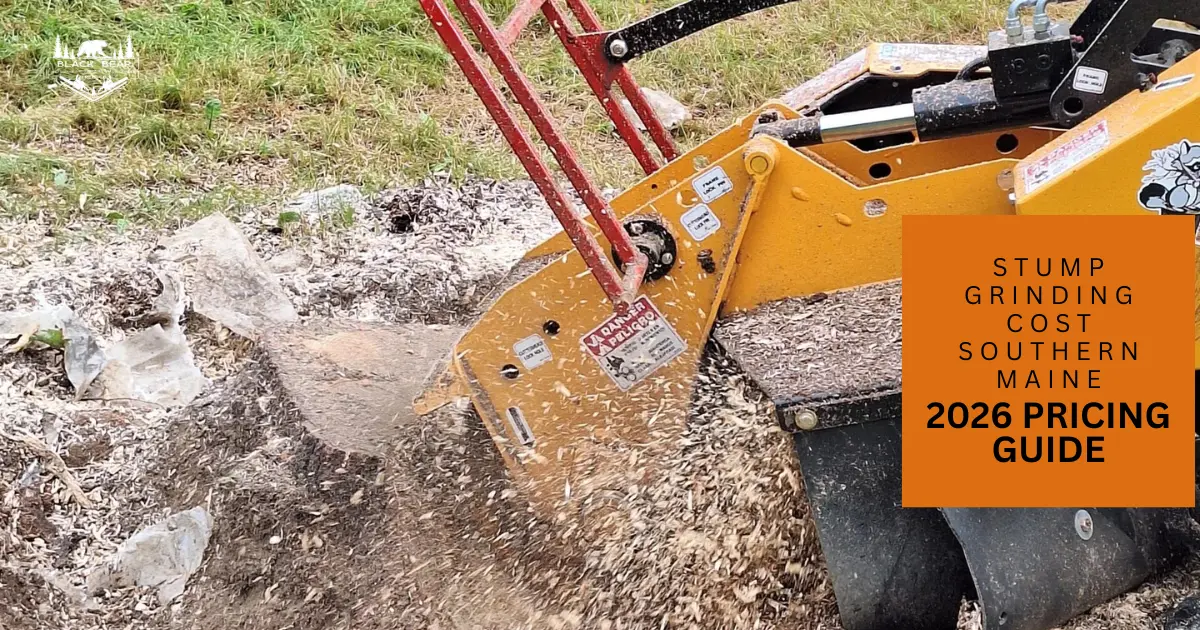
Stump Grinding Cost in Southern Maine: Complete 2026 Price Guide
If you are wondering how much stump grinding costs in Southern Maine, most residential projects generally fall between $100 and $700 per stump. Small, easily accessible stumps are typically near the lower end of that range, while large hardwood stumps, extensive surface roots, difficult access, and added cleanup can increase the total price.
Extra-large or unusually complicated stumps may cost more than $700. The number of stumps, their location, the required grinding depth, and what you want done with the resulting material will also affect your estimate.
Black Bear Tree Co. provides professional stump grinding throughout Southern Maine for homeowners, businesses, camps, rental properties, and larger land-clearing projects. We evaluate the actual stump and work area before providing clear pricing, so you understand what is included before the work begins.
This guide explains:
- Average stump grinding prices in Southern Maine
- What affects the cost to grind a stump
- Minimum service charges and multiple-stump pricing
- Stump grinding versus complete stump removal
- Surface-root grinding
- Cleanup and wood-chip removal
- Preparing your property for an estimate
- Ways to save on stump grinding
Need pricing for your property? Request a free stump grinding estimate or call Black Bear Tree Co. at 207-387-5064.
Average Stump Grinding Cost in Southern Maine
The following price ranges provide a general starting point for residential stump grinding:
| Stump size | Typical cost |
|---|---|
| Small stump under 12 inches | $100–$200 |
| Medium stump from 12–24 inches | $200–$400 |
| Large stump from 24–36 inches | $400–$700 |
| Extra-large stump over 36 inches | $700+ |

These are general estimates, not guaranteed quotes. Diameter is important, but it is only one part of the calculation.
The final stump grinding cost can also depend on:
- Tree species and wood density
- Width of the root flare
- Large exposed surface roots
- Access for the stump grinder
- Rocks or embedded objects
- Nearby structures and pavement
- Underground utilities or private lines
- Required grinding depth
- Cleanup and hauling
- Number of stumps
The most accurate way to determine the cost is to have the property evaluated. You can request a free estimate online or explore our complete range of professional Southern Maine tree services.
How Is a Stump Measured for Grinding?
A stump is generally measured across its widest point at ground level. This measurement can be wider than the original tree trunk because the base often expands into a broad root flare near the soil.
When measuring a stump yourself, include the entire base rather than measuring only the narrower cut surface. You should also identify any large surface roots you want ground because these can add substantially to the total work area.
Photographs can help us understand the project initially, but an onsite evaluation may still be required when:
- The stump has a wide or irregular root flare
- Multiple surface roots need grinding
- The stump is close to a house, driveway, fence, septic system, or utility
- Access is narrow or obstructed
- The stump is on a steep or wet section of the property
- You plan to build, pave, landscape, or plant in the area
- Several stumps are spread across the property
When requesting an estimate, include one close photograph of the stump and one wider photograph showing the surrounding area and equipment access. You can submit those details through our tree-service quote page.
What Affects Stump Grinding Cost?
No two stumps are exactly alike. The following factors have the greatest influence on stump grinding prices in Maine.
1. Stump Diameter
Diameter is one of the most important pricing factors. A larger stump contains more wood and generally requires more time and machine work to grind.
A small stump in an open lawn may be relatively straightforward. A wide oak or maple stump with a large root flare requires substantially more grinding, even when both stumps are equally easy to reach.
If a stump was left behind after a recent removal, ask us to evaluate it when receiving your tree-removal estimate. Combining the services may be more efficient than arranging separate visits.
2. Tree Species and Wood Density
Dense hardwoods generally require more time to grind than softer species. Common Maine hardwoods such as oak, maple, beech, and hickory can be more demanding than pine, spruce, or other softer woods.
The stump’s condition also matters. An older stump may be partially decayed, but age does not always make the job simple. Rocks, soil, embedded materials, and the remaining root structure can still affect the work.
If the stump belongs to a damaged or declining tree that has not yet been removed, Black Bear Tree Co. can help determine whether tree trimming could preserve the tree or whether complete tree removal is the safer option.
3. Surface Roots and Root Flare
Standard stump grinding focuses primarily on the visible stump and immediate root flare. Large roots that extend across the lawn may require additional grinding.
Show us every surface root you want addressed during the estimate. Grinding an extensive network of roots can take considerably longer than grinding the central stump alone.
Root grinding must also be evaluated carefully near:
- Foundations
- Driveways
- Walkways
- Retaining walls
- Septic systems
- Wells
- Underground utilities
- Healthy nearby trees
If the stump and roots are part of a larger overgrown area, brush clearing or lot clearing may provide a more complete solution.
4. Equipment Access
A stump in an open front yard is usually easier and less expensive to reach than one located:
- Behind a narrow gate
- Between a house and fence
- Beside a retaining wall
- On a steep slope
- Inside a landscaped garden
- Near a pool or patio
- Across a wet or soft lawn
- Close to a septic system
- Near overhead or underground utilities
The crew needs enough room to move equipment safely to and from the stump. Restricted access may require additional planning or different equipment, which can affect the price.
When completing the online estimate request, mention gate widths, slopes, soft ground, walls, steps, and other potential obstacles.
5. Number of Stumps
Grinding multiple stumps during the same visit is generally more cost-effective than scheduling a separate appointment for each stump.
Travel, equipment transport, setup, and site preparation are part of every visit. Once the equipment is already on your property, adding nearby stumps can reduce the average cost per stump.
Point out every unwanted stump during the estimate, even if you are unsure whether you want them all ground. We can explain your options and provide pricing based on the complete project.
6. Grinding Depth
For many lawn-restoration projects, a stump can be ground below the surrounding grade so the area can be filled with soil and reseeded.
Different future uses may require different depths. Tell us if you plan to:
- Restore the lawn
- Create a garden bed
- Install a patio or walkway
- Build a structure
- Install a fence
- Repave the area
- Plant another tree
Grinding is not the same as excavating the entire root system. Construction and development projects may require additional excavation or professional lot-clearing services beyond ordinary stump grinding.
7. Rocks and Embedded Materials
Southern Maine properties frequently contain rocky soil. Stumps can also hide nails, wire, fencing, concrete, landscape edging, and other embedded materials.
These objects can damage equipment and create safety risks. If you know or suspect that fencing, hardware, or construction debris may be embedded in the stump, tell us before work begins.
8. Cleanup and Wood-Chip Removal
Stump grinding produces a mixture of wood chips and soil. The amount can be greater than many homeowners expect, especially when grinding a large stump or extensive root flare.
Depending on the agreed scope, the material may be:
- Left onsite for your use
- Raked into the resulting depression
- Consolidated into a pile
- Removed from the property
- Included with additional property cleanup
Complete removal and hauling may increase the total cost because it requires additional labor and disposal capacity. Confirm what cleanup includes when reviewing your estimate.
For projects involving larger quantities of vegetation or woody debris, explore our brush-clearing services and Southern Maine lot clearing.
Are There Minimum Stump Grinding Charges?
Many professional stump grinding projects are subject to a minimum service charge. Even one small stump requires equipment transportation, loading and unloading, site preparation, safety checks, and cleanup.
Because of these fixed costs, grinding one very small stump may not be dramatically less expensive than grinding several small stumps during the same appointment.
Look around your property for:
- Old tree stumps
- Shrub stumps
- Stumps hidden along the property line
- Small stumps in garden beds
- Stumps covered by weeds or brush
- Stumps remaining from earlier tree work
Bundling these into one visit may provide better overall value.
Black Bear Tree Co. will explain your project price before the work is scheduled. Get your free estimate or call 207-387-5064 to discuss your property.
Is Stump Grinding Cheaper Than Stump Removal?
In most residential situations, stump grinding is less expensive and less disruptive than complete stump removal.
Stump grinding uses specialized equipment to reduce the stump and immediate root flare below grade. Most of the underground root system remains in place and gradually decomposes.
Complete stump removal requires excavating the root ball and potentially removing major roots. That process generally requires more labor, creates a larger hole, and causes more disturbance to the surrounding property.
Stump grinding is typically the better option when you want to:
- Restore the area to lawn
- Remove a tripping hazard
- Make mowing easier
- Improve curb appeal
- Reclaim usable yard space
- Remove an obstruction without extensive excavation
- Address a stump left after professional tree removal
Complete removal may be more appropriate when the root system conflicts with a foundation, driveway, utility installation, major excavation, or construction project.
We will explain this subject more extensively in our upcoming Stump Grinding vs. Stump Removal guide. Once that article is published, add a contextual internal link here.
Can Stump Grinding Prevent Regrowth?
Grinding removes the trunk base and growing portion of many stumps, significantly reducing the likelihood of continued growth. However, the result depends on the species, stump condition, grinding depth, and remaining root system.
Some aggressive tree species can send up new sprouts from their roots after the main stump is ground. Additional treatment or follow-up work may occasionally be necessary.
If the stump is actively producing shoots, mention that when you request your estimate.
Why Should You Remove an Old Tree Stump?
A leftover stump can affect the safety, appearance, and usability of your property.
Stumps Create Tripping and Mowing Hazards
Low stumps and surface roots can be difficult to see beneath grass, fallen leaves, or snow. They can become tripping hazards and may damage lawnmowers, blades, and other landscaping equipment.
Professional stump grinding removes the visible obstruction and makes routine lawn maintenance easier.
Stumps Reduce Usable Yard Space
A stump can prevent you from expanding a lawn, creating a garden, installing a play area, or improving the property’s overall layout.
If several stumps and areas of overgrowth are preventing you from using part of your land, consider combining stump grinding with brush clearing or lot clearing.
Decaying Wood Can Attract Insects
Old wood provides habitat and food for insects and other organisms involved in decomposition. Grinding will not eliminate every insect naturally present on a property, but it removes the large visible mass of decaying wood.
If the stump came from a tree that was diseased or structurally compromised, you may also want nearby trees evaluated through our Southern Maine tree services.
Stumps Can Produce New Shoots
Some species continue sending up shoots from the stump or remaining roots. Repeatedly cutting those shoots can become an ongoing maintenance problem.
Stumps Can Hurt Curb Appeal
An old stump can make an otherwise maintained property appear unfinished. Grinding creates a cleaner area that can be restored with topsoil and grass, incorporated into landscaping, or prepared for another use.
You can view examples of Black Bear’s work in our Southern Maine tree-service photo gallery.
What Happens After a Stump Is Ground?
After grinding, the site generally contains a depression and a mixture of wood chips and soil. The exact result depends on the stump size, root flare, grinding depth, and agreed cleanup plan.
If you want to grow grass over the area, the usual process is:
- Remove excess wood chips.
- Allow for settling when necessary.
- Add appropriate topsoil.
- Level the area with the surrounding lawn.
- Apply grass seed.
- Follow a suitable watering schedule.
Avoid trying to establish grass directly in a thick layer of fresh wood chips. Grindings do not provide the same growing conditions as prepared topsoil.
If you plan to install a building, patio, driveway, walkway, or other permanent improvement, tell us before the stump is ground. Standard grinding may not provide all the excavation and soil preparation necessary for construction.
Can You Plant Another Tree in the Same Place?
It is generally better to plant a replacement tree near the old location instead of directly in the center of the former stump.
Remaining roots, wood material, soil settling, and limited planting space can make it difficult for a new tree to establish properly in the exact same spot. Moving the planting hole away from the old stump usually provides a better growing environment.
If you are deciding whether nearby trees should be removed, preserved, or pruned, review our tree-trimming services and tree-removal services.
How Long Does Stump Grinding Take?
Many individual residential stumps can be ground within a few hours, but project times vary considerably.
Small, easily accessible stumps may take less time. Large hardwood stumps, multiple stumps, extensive roots, rocky soil, restricted access, and detailed cleanup can extend the project.
Weather and ground conditions can also affect scheduling. Saturated or soft lawns may require additional care to avoid unnecessary property damage.
The best way to estimate the required time is to evaluate the actual work area. Contact Black Bear Tree Co. to arrange an estimate.
Is It Cheaper to Rent a Stump Grinder?
Renting a stump grinder may appear less expensive initially, but homeowners should consider the complete cost and difficulty.
DIY stump grinding can involve:
- Rental fees
- Trailer or delivery charges
- Fuel
- Safety equipment
- Equipment transportation
- Machine operation on uneven ground
- Cleanup time
- Striking rocks or embedded objects
- Locating utilities and private lines
- Potential equipment or property damage
Rental machines may also be smaller and less powerful than professional equipment, making large hardwood stumps and extensive roots more difficult.
Stump grinders are powerful machines capable of throwing debris and causing serious injuries when operated improperly. Hiring an experienced, fully insured Southern Maine tree-service company is generally safer and more efficient, especially near structures, pavement, utilities, pets, and pedestrian areas.
Do Utilities Need to Be Marked Before Grinding?
Underground utilities and privately owned lines can affect whether and how a stump can be safely ground.
Maine’s Dig Safe guidance explains the state’s utility-notification requirements and the process for calling 811 before covered excavation.
Dig Safe member utilities do not necessarily mark privately owned lines. Private electrical lines, propane lines, irrigation systems, invisible pet fences, septic components, and similar installations may require separate identification.
Tell us about any known or suspected underground features, including:
- Septic tanks and leach fields
- Propane or gas lines
- Irrigation systems
- Invisible pet fences
- Private electrical service
- Well lines
- Drainage systems
- Landscape lighting
- Internet or communication lines
Never assume that a line is deeper than the proposed grinding area.
How to Prepare for a Stump Grinding Estimate
A little preparation can help us evaluate the project accurately and complete the work efficiently.
Before the appointment:
- Identify every stump you may want ground.
- Clear movable furniture, toys, hoses, and decorations.
- Unlock gates and confirm access width.
- Identify septic systems and private underground lines.
- Explain what you intend to do with the area afterward.
- Point out every surface root you want included.
- Decide whether you want the grindings left or removed.
- Keep pets and children away from the work area.
- Provide close and wide photographs when requesting the estimate.
Ready to get started? Submit your stump grinding project or call 207-387-5064.
Ways to Save on Stump Grinding
Grind Multiple Stumps at Once
Bundling several stumps into one appointment reduces repeated transportation and setup expenses and may lower the average price per stump.
Combine Stump Grinding With Tree Removal
If you need a dead, damaged, hazardous, or unwanted tree removed, ask us to include the stump in the same estimate. Learn more about tree removal in Southern Maine.
Combine Related Property Services
Customers planning a larger improvement project may benefit from combining stump work with lot clearing, brush clearing, or other professional tree services.
Provide Clear Equipment Access
Removing movable obstacles and opening gates ahead of time can make the project more efficient. Do not remove permanent fencing or landscaping without first discussing access with us.
Explain Your Plans in Advance
Grinding depth and cleanup requirements depend on how you want to use the site afterward. Sharing those plans early helps prevent misunderstandings and unnecessary work.
Ask About Keeping the Grindings
Keeping the resulting material onsite may reduce hauling and disposal costs when the grindings are suitable for your intended use. However, stump grindings should not be treated as finished topsoil.
Why Choose Black Bear Tree Co.?
Black Bear Tree Co. is a locally owned, fully insured tree-service company based in Limerick, Maine. We help homeowners and property owners remove unwanted stumps while respecting surrounding lawns, buildings, landscaping, pavement, and property.
Customers choose us for:
- Clear, upfront estimates
- Professional stump grinding equipment
- Experienced equipment operation
- Careful site preparation
- Multiple-stump service
- Cleanup options
- Residential and commercial tree work
- Local service throughout Southern Maine
- Coordinated tree removal and stump grinding
- Friendly, straightforward communication
Learn more about Chris and Black Bear Tree Co., explore our complete tree-service gallery, or read more Southern Maine tree-service tips.
Stump Grinding Service Areas in Southern Maine
Black Bear Tree Co. provides stump grinding in Limerick and communities throughout York and Cumberland counties.
- Limerick, Maine
- Limington, Maine
- Cornish, Maine
- Newfield, Maine
- Waterboro, Maine
- Saco, Maine
- Biddeford, Maine
- Gorham, Maine
- Shapleigh, Maine
- Windham, Maine
- Portland, Maine
- Parsonsfield, Maine
- Hollis, Maine
- Dayton, Maine
- Sanford, Maine
- Buxton, Maine
- Standish, Maine
- Alfred, Maine
- Kennebunk, Maine
- Scarborough, Maine
Service availability depends on project size, location, scheduling, and equipment requirements. If your town is not listed, contact Black Bear Tree Co. to ask whether we can serve your property.
Frequently Asked Questions About Stump Grinding Cost
How much does stump grinding cost in Southern Maine?
Most residential projects generally cost between $100 and $700 per stump. Small, accessible stumps tend to cost less, while large hardwood stumps, extensive roots, difficult access, and additional cleanup can increase the price. Extra-large or complicated stumps may exceed $700.
For exact pricing, request a free stump grinding estimate.
What is the least expensive way to remove a stump?
Professional stump grinding is generally more affordable and less disruptive than excavating the entire root ball. Grinding multiple stumps during one visit or combining grinding with tree removal may also improve the overall value.
Is stump grinding cheaper with multiple stumps?
Usually, yes. Equipment transportation and setup are already part of the visit, so adding multiple nearby stumps is often more cost-effective than scheduling each one separately.
Does stump grinding pricing include cleanup?
Cleanup depends on the agreed project scope. Grindings may be left onsite, consolidated into a pile, used to partially fill the depression, or removed. Confirm the cleanup plan when reviewing your estimate.
How deep will the stump be ground?
The appropriate depth depends on the stump, surrounding conditions, equipment access, and how you intend to use the area afterward. Lawn restoration may require a different approach than construction or hardscaping.
Will grass grow where the stump was ground?
Yes, but the site should be prepared correctly. Excess grindings generally need to be removed before the depression is filled with suitable topsoil, leveled, and seeded.
Will all the tree roots be removed?
No. Standard stump grinding reduces the visible stump and immediate root flare below grade, but most underground roots remain and gradually decompose.
Will stump grinding stop regrowth?
Grinding prevents regrowth from many stumps, but certain species may send up shoots from their remaining roots. Results depend on the species, stump condition, and grinding depth.
Can you grind surface roots?
Many surface roots can be ground when access and surrounding conditions allow. Because surface roots increase the total grinding area, point out every root you want included during the estimate.
Can a stump be ground beside a house or driveway?
Often, yes, but the location must be evaluated first. Foundations, pavement, utilities, septic components, landscaping, and equipment access can affect the safest approach.
Do I need to be home during stump grinding?
Not always. If access is available, the stump is clearly identified, private lines have been addressed, and the project scope is confirmed, the work may be completed while you are away.
Is stump grinding available year-round in Maine?
Stump grinding can be performed during much of the year when the stump is accessible and ground conditions are appropriate. Snow, frozen ground, saturated lawns, and severe weather can affect scheduling.
Can stump grinding be included with a larger clearing project?
Yes. Depending on the property, stump grinding can be coordinated with brush clearing, lot clearing, or tree removal.
Do you provide free estimates?
Yes. Black Bear Tree Co. provides free, no-obligation estimates based on stump size, location, access, surface roots, desired depth, cleanup requirements, and the overall project scope.
Get a Free Stump Grinding Estimate
The only way to determine the exact stump grinding cost for your Southern Maine property is to evaluate the stump and surrounding work area.
Whether you have one small stump, several large hardwood stumps, or stumps remaining after a recent tree-removal project, Black Bear Tree Co. can help you choose the right solution.
Request your free stump grinding estimate or call Black Bear Tree Co. at 207-387-5064.
Fully Insured • Local Maine Company • Residential and Commercial Service